
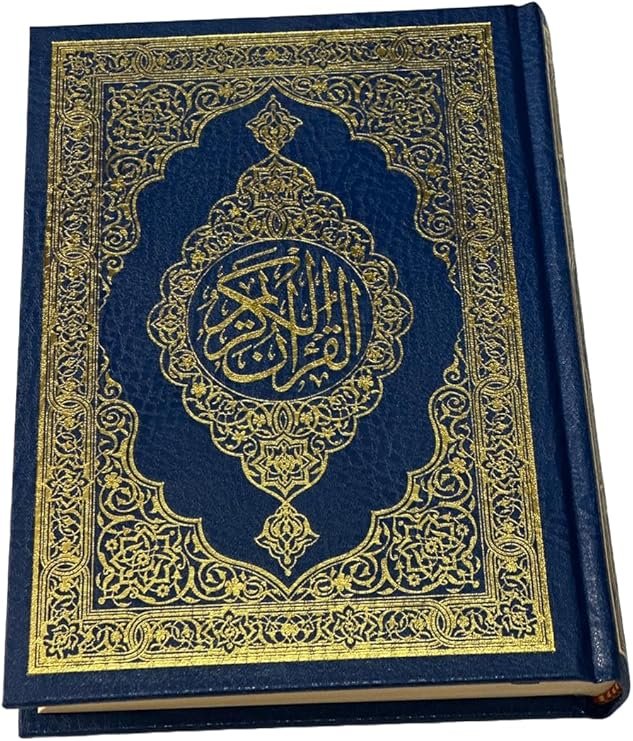
Internet par jab bhi Islamic history ki baat aati hai, to ek sawal sabse zyada search kiya jata hai who wrote the quran? Log aksar confuse ho jaate hain ki kya ise kisi ek insaan ne baith kar likha, ya phir iska poora process kuch aur tha.
To baat ye hai ki agar aap ise ek factual aur historical nazariye se dekhenge, to iska jawab kaafi zyada interesting hai. Asal mein, Quran kisi ek author ki likhi hui kitab nahi hai jaise aam taur par novels ya academic books hoti hain. Muslims ka yeh dridh vishwas (firm belief) hai ki Quran ke aayats (verses) Allah ke direct kalam hain, jo Angel Gabriel (Jibril) ke zariye Prophet Muhammad ﷺ par lagatar 23 saal ke arse mein nazil (reveal) huye.
Agar aap iske historical compilation aur writing process ko deeply samajhna chahte hain, to yeh article aapke saare doubts ko hamesha ke liye clear kar dega. Chaliye iski poori kahani ko bilkul simple shabdon mein samajhte hain.
Who Wrote the Quran and How it Happened
Dekho bhai, is topic ko samajhne ke liye hamein thoda piche 7th century Arabia mein jana hoga. Jab hum puchte hain ki who wrote the quran, to iske do pehlu (aspects) samne aate hain: divine origin aur physical preservation.
Islamic theology ke mutabiq, iska real author koi insaan nahi balki khud Allah hai. Prophet Muhammad ﷺ ko jab pehli revelation 610 AD mein Cave Hira mein mili, tab se lekar unki hayat ke aakhiri saal tak yeh silsila chalta raha. Prophet ﷺ khud likhna aur padhna nahi jaante hain (unhe Ummi kaha jata hai). Isliye, jab bhi koi aayat nazil hoti, to wo use turant yaad kar lete aur apne Sahaba (companions) ko sunate the.
Iske baad shuru hota tha physical writing ka kaam. Prophet ﷺ ke paas kuch khas Sahaba hote the jinhe Katib-e-Wahi (Scribes of Revelation) kaha jata hai. Inme Hazrat Zayd bin Thabit, Hazrat Ubayy bin Ka’b, aur Hazrat Abdullah bin Mas’ud jaise bade naam shamil the.
Iska seedha matlab hai ki Prophet ﷺ bolte jaate the, aur unke Sahaba use alag-alag cheezon par note karte jaate the. Us zamane mein aaj jaisa paper har jagah available nahi tha, to log use khajoor ke patton (palm leaves), pattharon ke tukdon (flat stones), aur janwaron ki khaal (parchments) par likhte the.
Step-by-Step Process of Quranic Compilation
Agar aap soch rahe hain ki yeh bikhre huye tukde ek mukammal (complete) kitab kaise bane, to uska ek proper historical process hai. Yeh kaam teen bade stages mein poora hua tha:
1. Prophet Muhammad ﷺ Ka Zamana (Oral Exploration & Initial Writing)
Sabse pehle step mein, jo bhi aayat aati, use turant do tarike se save kiya jata. Pehla tha Hifz (memorization). Arab ke logon ki memory bohot sharp hoti thi, to sajanon ne poori aayats ko apne dilon mein yaad kar liya. Dusra tarika tha un bikhre huye materials par likhna jo humne upar discuss kiye. Prophet ﷺ khud check karte the ki sahaba ne sahi likha hai ya nahi.
2. Hazrat Abu Bakr Ka Daur (First Official Book Form)
Prophet ﷺ ke parda farmane ke baad, Yamama ki jung mein bohot saare Huffaz (log jinhone Quran yaad kiya tha) shaheed ho gaye. Is baat se pareshan hokar Hazrat Umar ne Khalifa Hazrat Abu Bakr ko suggest kiya ki ab Quran ko ek jagah compile karna zaroori hai. Hazrat Abu Bakr ne Zayd bin Thabit ko is kaam ka head banaya. Unhone har ek aayat ko verify karne ke liye do gawah (witnesses) mange aur poore material ko ek single manuscript (Suhuf) ke roop mein jama kiya.
3. Hazrat Uthman Ka Daur (Standardization & Global Copies)
Jaise-jaise Islam Arabia se bahar phaila, alag-alag dialects (lehje) ki wajah se logon ke padhne mein thoda farq aane laga. Tab Teesre Khalifa Hazrat Uthman ne usi pehle manuscript ko mangwaya aur uski accurate copies banwayi. Unhone pure Islamic empire mein sirf us standard Quraishi dialect wali copy ko chalwaya aur baaki unverified scripts ko remove kar diya taaki koi confusion na rahe. Isliye unhe Jami-al-Quran (Compiler of the Quran) bhi kehte hain.
Oral Tradition vs Written Preservation
Asal mein, purane zamane mein kisi bhi bade gyan ya message ko bacha kar rakhne ke do hi tarike hote the — ya to use likh lo, ya phir yaad kar lo. Quran ke maamle mein yeh dono tarike ek sath chal rahe the, jo iski authenticity ko duniya mein sabse alag banata hai.
Arab ka culture poori tarah se oral tradition par chalta tha. Unhe apni poetry aur nasab (family lineage) zubani yaad hote the. Jab baat aayi ki who wrote the quran, to dhyan rakhne wali baat yeh hai ki sirf likhe huye par bharosa nahi kiya gaya. Jab Hazrat Zayd bin Thabit har ek aayat ko book mein likh rahe the, to wo tab tak use accept nahi karte the jab tak koi use zubani suna kar match na kar de.
Yahi wajah hai ki aaj tak Quran ke ek bhi word ya nukte (dot) mein badlav nahi aaya hai. Agar aap aaj duniya ke kisi bhi kone se ek Quran uthayenge, to uski aayats bilkul wahi hongi jo 1400 saal pehle compile ki gayi thi.
Exploring Western Academic and Secular Perspectives
Dekho bhai, jab hum historical text analysis ki baat karte hain, to as a professional strategist hamein har pehlu (perspective) ko unbiased hokar dekhna chahiye. Agar aap Islamic tradition se hatkar secular ya Western academic researchers ki taraf dekhenge, to unka research thoda alag point of view pesh karta hai.
Traditional Islamic belief ke mutabiq to yeh bilkul saaf hai ki Quran divine origin hai aur ise Sahaba ne compile kiya. Lekin academic field mein iske parallel do bade alternative routes ya viewpoints discuss kiye jaate hain:
1. Revisionist Western Historiography (The Skeptic View)
20th century ke aakhiri saalon mein kuch Western historians (jaise John Wansbrough aur Patricia Crone) ne ek alternative theory di thi. Unka manna tha ki Quran kisi ek daur mein ya Hazrat Uthman ke zamane mein poori tarah freeze nahi hua tha, balki yeh agle do-teen sau saalon tak dheere-dheere evolve hota raha.
Warna, modern discoveries ne is theory ko kaafi hadd tak kamzor kar diya hai. 2015 mein UK ki University of Birmingham mein Quran ke kuch bohot purane fragments mile. Jab unki radiocarbon dating ki gayi, to pata chala ki wo bikhre huye pappe (manuscripts) Prophet Muhammad ﷺ ke zamane ke ya unke parda farmane ke kuch hi saal baad ke hain. Isse yeh saaf ho gaya ki Quran ka text shuru se hi wahi tha jo aaj hai.
2. Traditionalist Academic View (Sana’a Manuscripts Findings)
Ek aur bada framework Sana’a (Yemen) mein 1972 mein mili purani parchments se nikal kar aata hai. Kuch scholars ka kehna hai ki isme jo ‘lower text’ hai, wo standard Uthmanic text se thoda alag variation dikhata hai. Lekin mainstream Islamic scholars aur Dr. Behnam Sadeghi jaise experts ka kehna hai ki yeh wahi alag-alag Sahaba ke personal notes ya dialects (Qira’at) the, jinhe bad mein standardization ke zariye solve kiya gaya tha.
Custom Data Table & Pros/Cons Breakdown
Aapki convenience ke liye, humne is poore compilation process aur historical perspectives ko ek simple table mein convert kar diya hai taaki aapko clarity mil sake:
| Stage / Viewpoint | Main Personality / Scholar | Material / Method Used | Primary Focus |
| Initial Revelation | Prophet Muhammad ﷺ & Scribes | Parchments, Stones, Palm leaves | Oral memorization & immediate writing |
| First Compilation | Hazrat Abu Bakr & Zayd bin Thabit | Single Book Form (Suhuf) | Verification via 2 witnesses & memory |
| Standardization | Hazrat Uthman | Quraishi Dialect Master Copies | Global unity, removing dialect confusion |
| Secular Academic View | Western Historians (e.g., Birmingham Study) | Radiocarbon Dating of Fragments | Proving historical timeline and age of text |
Pros & Cons of the Two Core Preservation Methods
Is poore historical preservation ke do bade pillars the — Oral (Zubani) aur Written (Likhit). Chaliye in dono ke fayde aur nuksan ko honestly samajhte hain:
Oral Tradition (Memorization):
-
Pros: Kisi paper ya text par dependency nahi hoti. Agar saare physical texts duniya se khatam bhi ho jayein, tab bhi dilon mein yaad rehne ki wajah se ise erase nahi kiya ja sakta.
-
Cons: Human memory par rely karna padta hai. Agar jung mein ek sath bohot saare Huffaz shaheed ho jayein (jaise Yamama ki jung mein hua), to text ke loss hone ka risk rehta hai.
Written Compilation (Textual Form):
-
Pros: Ek standard physical proof ban jata hai jise aane wali generations bina kisi badlav ke as-is padh sakti hain. Dialect ka dispute hamesha ke liye khatam ho jata hai.
-
Cons: Purane zamane mein ink aur material kharab hone ka darr rehta hai, aur agar script mein nukte (dots) na hon to naye logon ko padhne mein mushkil aati hai (jise baad mein Arabic grammar ke zariye theek kiya gaya).
People Also Ask
Did Prophet Muhammad write the Quran himself?
Nahi, Prophet Muhammad ﷺ ne Quran ko apne hathon se nahi likha. Historical records ke mutabiq aap likhna aur padhna nahi jaante the. Aap par jab aayat nazil hoti thi, to aap use zubani yaad farmate the aur apne literate Sahaba (scribes) ko use likhne ka hukum dete the.
Who was the main person behind compiling the Quran into a book?
Hazrat Zayd bin Thabit wo main Sahabi the jinhone Hazrat Abu Bakr ke hukum par sabse pehle Quran ko ek single book (Suhuf) ki shakal mein jama kiya. Unhe unki extreme intelligence aur Prophet ke zamane mein wahi likhne ke experience ki wajah se is bade kaam ke liye chuna gaya tha.
What is the Birmingham Quran manuscript and why is it famous?
Birmingham Quran manuscript Quran ke sabse purane bache huye panno mein se ek hai, jo 2015 mein University of Birmingham ki library mein dhoonda gaya. Radiocarbon dating se pata chala ki yeh 568 AD se 645 AD ke daur ka hai, jo direct Prophet ﷺ ke lifetime ke bohot kareeb hai. Yeh is baat ka bada saboot hai ki Quran ka text badla nahi gaya.
Why did Hazrat Uthman burn the other copies of the Quran?
Hazrat Uthman ne baaki unverified aur alag-alag dialects (regional accents) mein likhi hui personal copies ko isliye hatwaya taaki poori duniya ke Muslims ke beech Quran ki reading ko lekar koi ikhtilaf (dispute) na paida ho. Unhone sirf wahi official standard copy chali jo Prophet ﷺ ke daur mein verify hui thi.
How many scribes (Katib-e-Wahi) did Prophet Muhammad have?
Alag-alag historical sources ke mutabiq, Prophet Muhammad ﷺ ke paas lagatar lagbhag 40 se zyada Sahaba the jo alag-alag waqt par wahi (revelations) aur official letters likhne ka kaam karte the. Inme Hazrat Ali, Hazrat Usman, Hazrat Zayd bin Thabit, aur Hazrat Ameer Muawiyah bohot active the.
Agli cheez ye hai ki is poori history ko dekh kar ek baat bilkul clear ho jaati hai — chahe aap Islamic faith ke angle se dekhein ya pure academic history ke tarike se, Quran ka ek jagah collect hona aur aaj tak safe rehna insani history ka ek bemisaal kissa hai.
To bhai, agar aapko is deeply researched history aur compilation process se sahi jankari mili ho, to is post ko apne un doston ke sath zaroori share karein jo aksar is baat par confuse rehte hain!